How Shady Cleaning Companies Remove Bad Reviews from Google (And Why You Shouldn't)
By Noor Alam, Top Rated Local SEO Specialist
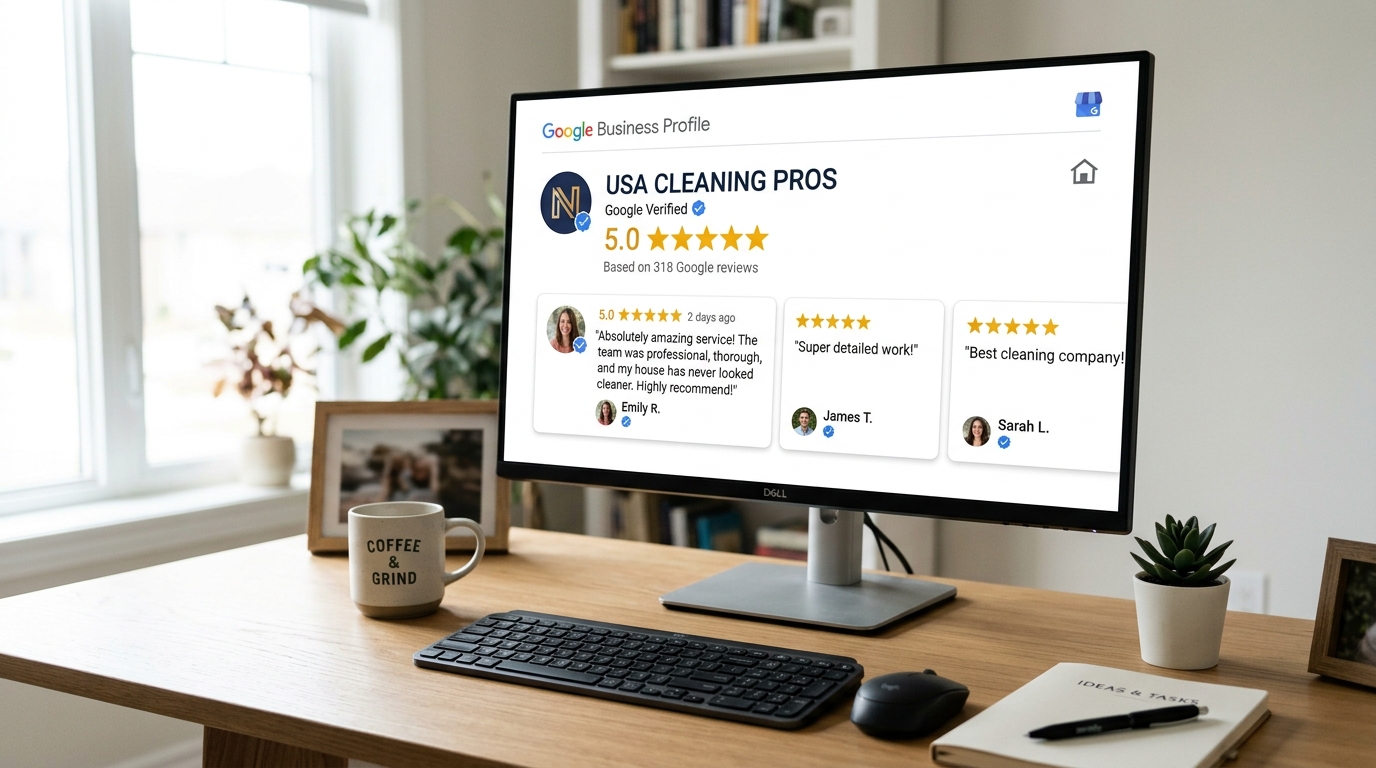
It happens to almost every cleaning company eventually—a negative Google review that makes you cringe. Maybe the customer had unrealistic expectations. Maybe there was a miscommunication. Or maybe they just had a bad day.
Your first instinct might be to do whatever it takes to remove that review. But here's what you need to know: there are right ways and very, very wrong ways to handle negative reviews on Google.
In this post, we're breaking down Google's review removal policy, showing you what actually works, and why trying to game the system will hurt your cleaning business more than help it.
What You'll Learn:
- Google's official policies on review removal
- When Google will actually remove a review
- Why fake reviews and manipulation backfire
- 5 ethical strategies to manage negative reviews
- How to turn critics into clients
Google's Actual Review Removal Policy
Google takes review integrity seriously. They don't remove reviews just because a business owner doesn't like what it says. Period.
Google WILL remove a review if:
- It violates Google's review policy
- It contains profanity or hate speech
- It includes personal information (phone numbers, addresses)
- It's off-topic (reviews about the owner's personal life, politics, etc.)
- It's spam or fake
- It's from a competitor trying to sabotage you
- It includes links to external websites
Google WON'T remove a review just because:
- You disagree with the feedback
- The review is negative
- The customer had a bad experience (that's their opinion)
- You offered a discount and they're unhappy anyway
- The review includes constructive criticism
The key distinction? Google protects honest opinions. A one-star review saying "their cleaning was mediocre" is protected. A one-star review saying "their staff are criminals" with no evidence? That might get flagged.
What Shady Companies Do (And Why It Backfires)
We've seen cleaning companies try some creative (and illegal) tactics:
1. Fake positive reviews
Hiring friends/family to post glowing 5-stars
- Why it fails: Google's AI detects patterns. Sudden review spikes from new accounts? Flagged.
- Legal risk: Violates FTC guidelines. You could face fines.
2. Review suppression
Asking happy customers to remove positive reviews to "game" the algorithm
- Why it fails: Looks unnatural. Reviewers remember.
- Customer impact: Looks desperate.
3. Competitor sabotage
Posting fake negative reviews on competitors' profiles
- Why it fails: Google catches this. Your account gets flagged.
- Legal risk: Defamation lawsuit waiting to happen.
4. Off-topic attacks
Posting negative reviews on a competitor's profile
- Why it fails: Violates policy. Gets removed. Your account flagged.
5. Private pressure
Contacting customers threatening legal action to remove reviews
- Why it fails: This is harassment. Screenshots = evidence.
- Legal risk: Actual lawsuit.
The pattern? Short-term manipulation always gets caught. And when it does, your cleaning company's reputation gets nuked—not by the original review, but by the discovery that you tried to cheat.
5 Ethical Strategies That Actually Work
Here's what actually improves your review profile:
1. Respond Professionally to Every Review (Even the Bad Ones)
A one-star review with a thoughtful response from you? That looks better than it without one.
"Thank you for the feedback. We're sorry the results didn't meet your expectations. We'd love a chance to make it right. Could you email us with specific details? Our commitment is [X], and we want to deliver that."
This shows:
- You read reviews
- You care about feedback
- You're confident in your service
- Future customers see you're responsive
2. Ask Happy Customers for Reviews (Ethically)
After a successful cleaning job:
- Send a thank-you note with a Google review link
- Include it in your invoice
- Ask at checkout
- Send a follow-up email (once, not three times)
Don't:
- Offer discounts/payments for reviews (violates policy)
- Manipulate star ratings ("Click 5 stars!")
- Use fake customer names
3. Identify the Root Cause of Negative Reviews
If you're getting consistent one-star reviews about the same issue:
- Pricing expectations
- Cleanliness standards
- Communication
- Scheduling reliability
- Specific service quality
Fix the root cause. The reviews will improve.
4. Focus on Review Volume
One 2-star review among 50 five-star reviews? Customers see the pattern.
Your goal:
- 20+ reviews (shows you're real)
- 4.0+ rating (realistic and trustworthy)
- Recent reviews (shows you're active)
Increase volume by asking happy customers consistently.
5. Use Reviews as a Feedback Loop
Negative reviews are free market research. They tell you:
- What customers value
- Where your service gaps are
- How to improve messaging
- What to emphasize in marketing
A cleaner who reads reviews and improves beats a competitor with fake reviews every time.
How This Affects Your Local SEO
Here's the bonus: Google review management is LOCAL SEO.
Google Maps rankings are heavily influenced by:
- Review quantity
- Review recency
- Review rating
- Response rate from business
When you build genuine reviews ethically, you:
- Rank higher in local search
- Appear more trustworthy to potential customers
- Get more leads from Google Maps
- Build authority in your service area
The shady approach? It tanks all three.
The Bottom Line
Trying to remove or manipulate reviews is like trying to remove fingerprints from a crime scene. You'll probably leave more evidence in the process.
The sustainable approach:
- Deliver excellent service
- Ask happy customers for reviews
- Respond to every review (yes, even the negative ones)
- Use feedback to improve
- Build volume and authenticity
In 6 months, your review profile will be unbeatable. And you'll sleep better at night.
What's your approach to managing reviews? Share your strategy in the comments below.
Need help with your Google Maps ranking? Get a free Local SEO audit from BrightCall Agency.